From the field · February 6, 2026
EV charger safety.The circuit matters.
A vehicle can charge for hours without stopping. That steady demand makes the quality of every connection—from the panel to the charger—especially important.
Why charging is different
Small weaknesses have hours to build heat.
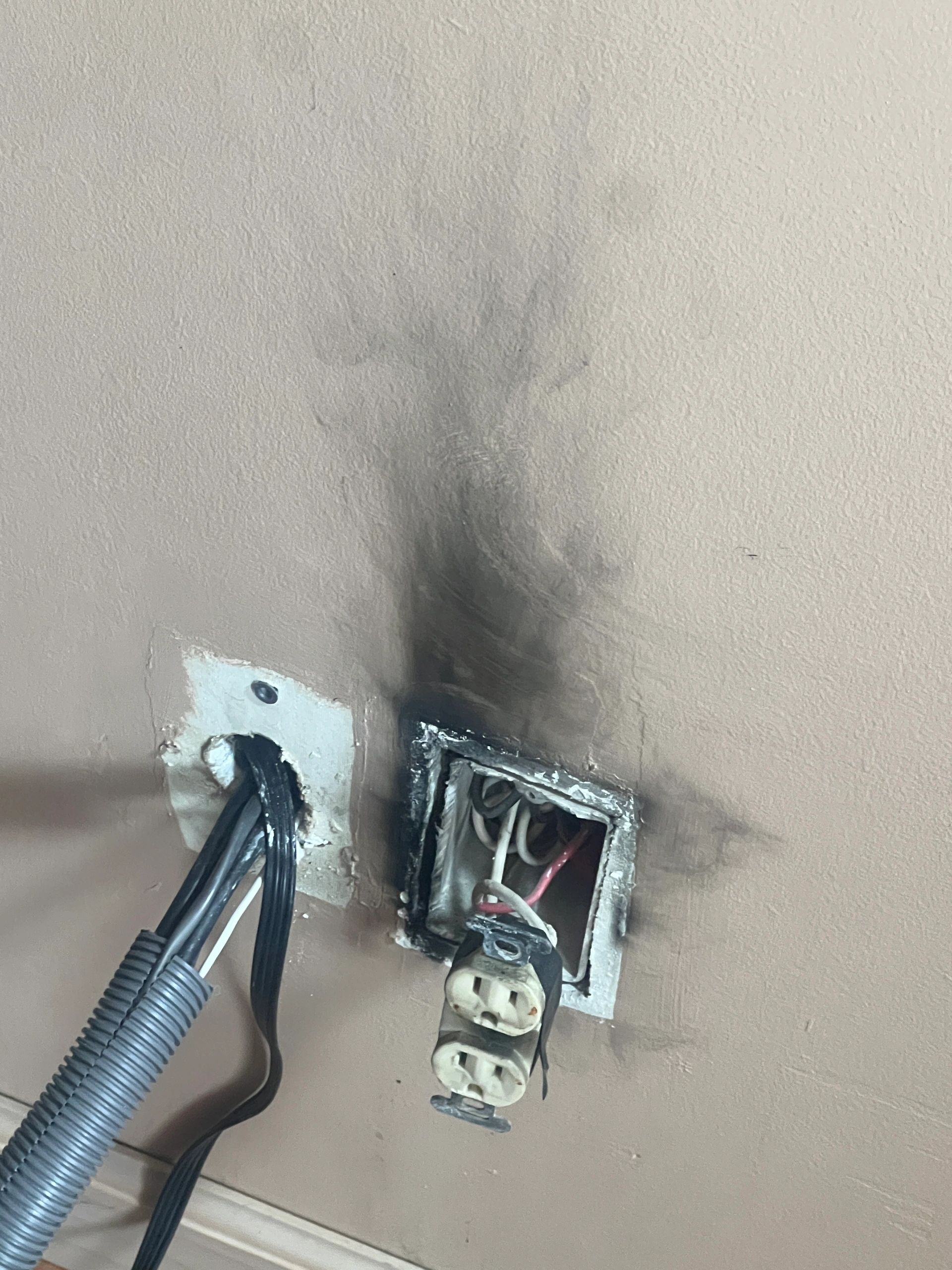
EV charging is a long-duration load. A loose terminal, worn receptacle, damaged conductor, or mismatched circuit may appear normal at first and become hot as charging continues. Repeated heating can discolor equipment, weaken connections, damage insulation, and create a fire risk.
The answer is not automatically the largest circuit possible. The right installation starts with the vehicle, charger, daily mileage, available charging time, electrical service, and the route to the parking location.
What we review
A complete path from panel to plug.
Service capacity
Panel space, service size, major loads, and whether load management may help.
Dedicated circuit
Breaker, conductor, grounding, protection, and charging output planned as one system.
Equipment + location
A listed charger or receptacle suited to indoor, outdoor, attached, or detached-garage use.
Testing + setup
Connections checked, equipment commissioned, charging verified, and the owner shown how it works.
Plug-in or hardwired?
Both can work. They solve different problems.
NEMA 14-50 outlet
A flexible choice for compatible portable charging equipment and changing vehicle needs.
- The receptacle and plug become additional connection points.
- The outlet must be appropriate for the charging equipment and location.
- Charging output may be limited by the mobile connector.
Hardwired wall charger
A dedicated connection for frequent charging, outdoor installations, and many higher-output setups.
- Removes the plug-and-receptacle connection.
- Can offer scheduling, usage data, access control, or power sharing.
- Must be commissioned to match the installed circuit.
Columbus permit overview
The required permit depends on the installation scope.
City of Columbus guidance separates a straightforward installation from work that changes more of the electrical system. A dedicated outlet and charger may fit a limited-scope permit, while a service upgrade, major wiring changes, or added power to a detached garage can require a full electrical permit.
The property, charger, panel capacity, wiring route, and local jurisdiction all matter. Buckeye Electric identifies the likely permit and inspection path during planning, then confirms current requirements before work begins.
Why this overview is here: the City's direct PDF link is not reliable in every browser. Permit rules and fees can change, so confirm the current requirements for the project rather than relying on an older downloaded copy.
Stop and get it checked
Warning signs during EV charging.
- A plug, receptacle, wall plate, or charger that feels unusually hot
- Discoloration, melting, cracking, or a burnt odor
- Charging that repeatedly starts and stops
- A breaker that trips more than once
- Buzzing, arcing, loose plugs, or visible damage
Stop using damaged equipment and avoid opening or touching energized electrical components. Call or text a licensed electrician so the circuit can be evaluated.
Official planning resources
Useful information for Columbus-area EV owners.
Requirements, equipment, and utility programs change. Confirm current details for the property and jurisdiction.Plan the charging circuit correctly
Send the vehicle, charger, address, and photos.
Include the panel, main breaker, parking spot, and likely wire route for the fastest start.